
Description
Key Characteristics
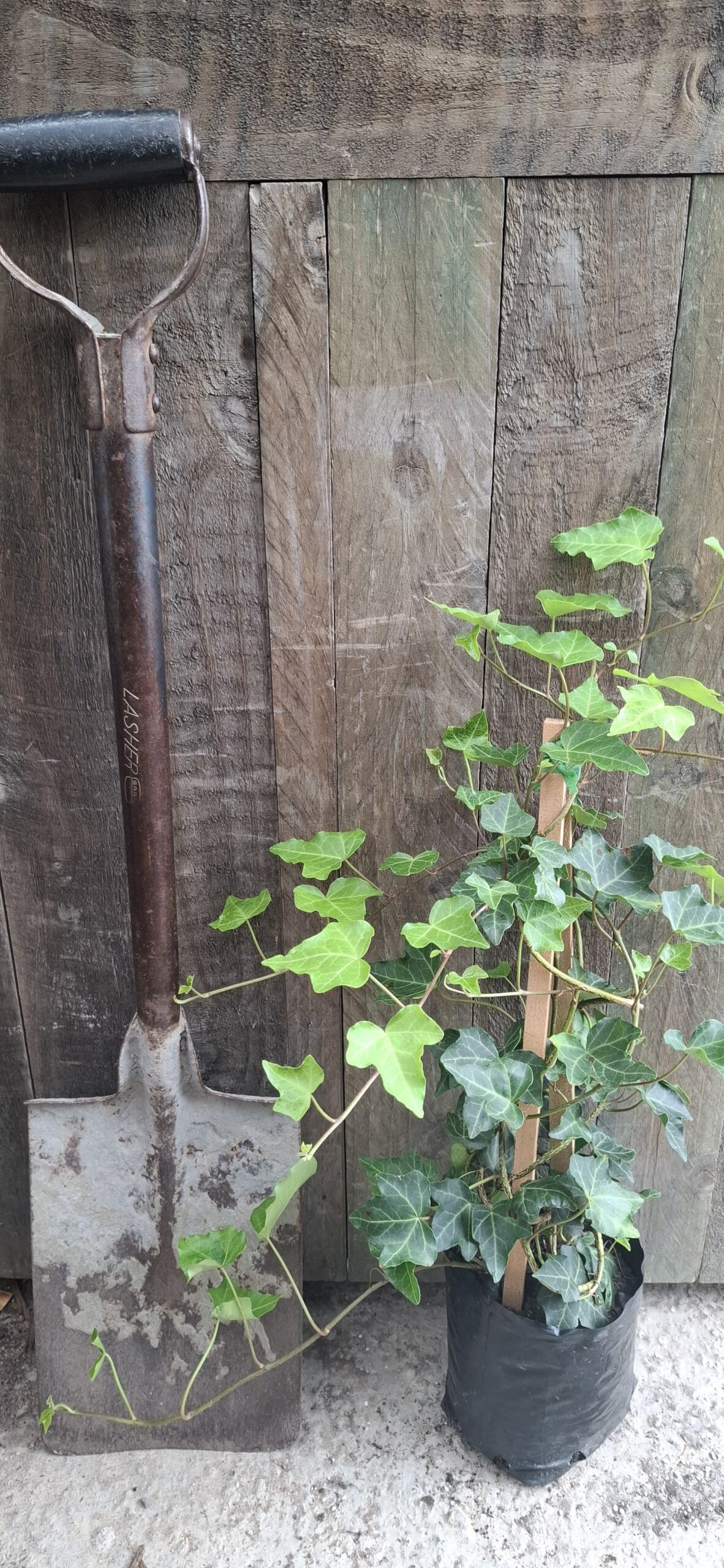
Growth habit: Vigorous climber (using aerial roots to attach to surfaces) or trailing ground cover; can reach 6–9 m or more if supported.
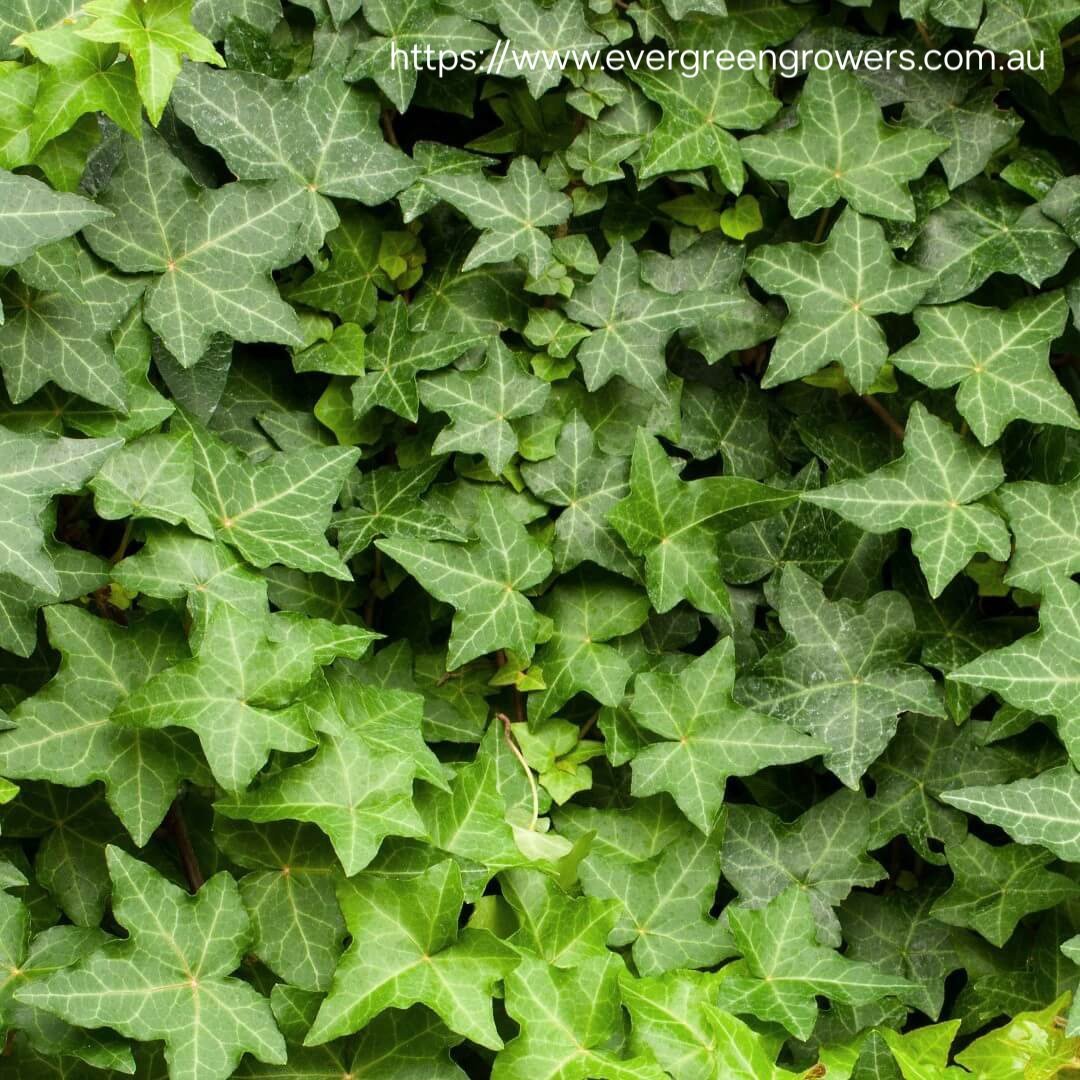
Leaves: Dark green, lobed (juvenile form); mature plants may have unlobed leaves and produce small greenish flowers followed by berries.
Varieties: Many cultivars exist, including variegated ones (e.g., yellow or white edges like ‘Goldheart’ or ‘Glacier’).
Care Guide
English Ivy is adaptable and relatively easy to grow, both indoors and outdoors (in mild climates).
Light: Prefers bright, indirect light or partial shade. Tolerates low light indoors but grows best with some brightness. Avoid direct harsh sun to prevent leaf scorch.
Watering: Keep soil evenly moist but not waterlogged — water when the top inch feels dry. It likes humidity, so mist occasionally or place on a pebble tray.
Temperature: Cool to moderate (10–21°C ideal); hardy in many zones outdoors but protect from hard frost if potted.
Soil: Well-draining potting mix; fertile and slightly moist.
Maintenance: Prune to shape or control spread. Fertilize lightly in spring/summer.
Uses: Excellent for ground cover, walls, trellises, hanging baskets, or as a houseplant (air-purifying qualities).
Note: English Ivy is toxic if ingested (to pets and humans)




Reviews
There are no reviews yet.