
Gazania (Treasure Flower / African Daisy)
Bring an unstoppable explosion of sizzling, sun-drenched color to your landscape with the spectacular Gazania. Proudly indigenous to the harsh, dry regions of South Africa, this waterwise superhero is globally celebrated by landscape designers for its rugged resilience, fast growth, and mesmerizing, jewel-toned blooms.
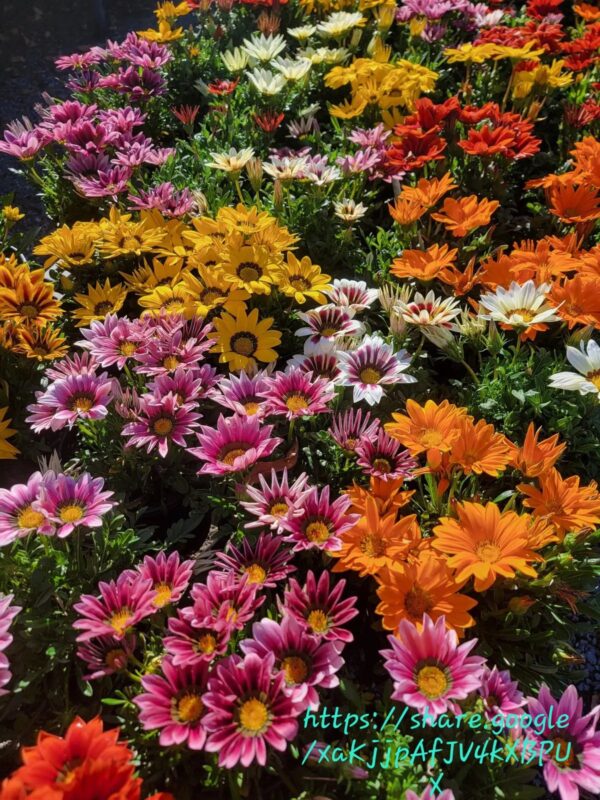
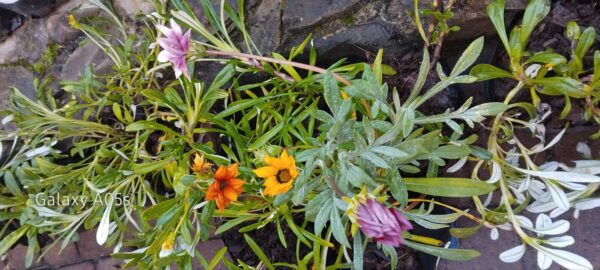
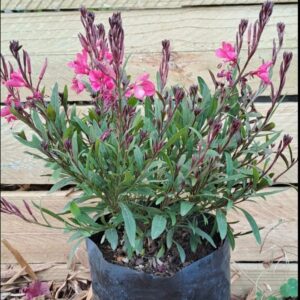
Gazanias form a neat, low-growing rosette of tough, grassy or lobed leaves that often feature a beautiful silvery-white underside to reflect intense heat. The real magic happens when the sun comes out: the plant erupts into a blanket of massive, daisy-like flowers in mind-blowing shades of fiery orange, golden yellow, bronze, pink, and crisp white—often detailed with intricate, contrasting rings around the center. Because the flowers intuitively close at night and on cloudy days, they bring a dynamic, living energy to sunny borders, rockeries, and coastal gardens.
☀️ Quick-Look Specifications
* Plant Type: Indigenous Evergreen Perennial (often grown as a warm-season annual in heavy frost zones)
* Growth Habit: Low, mounding, and clumping (trailing varieties are also available)
* Mature Size: 15cm to 30cm High × 20cm to 40cm Wide
* Bloom Season: Non-stop from Spring straight through to late Autumn (often blooms year-round in mild, frost-free climates)
* Flower Color: High-impact yellows, oranges, reds, pinks, and bicolors
* Hardiness: Extreme heat, wind, and coastal tolerance; handles mild frost, but requires protection from severe freezing winters.
💧 Detailed Growing Conditions
Light: Full Sun (Absolutely Non-Negotiable)
* Gazanias are the ultimate sun-worshippers. They *must be planted in Full Sun (a minimum of 6 to 8 hours of direct, blazing light daily).
* If planted in partial shade, the plant will become weak and leggy, and more importantly, the light-sensitive flowers will refuse to open, staying tightly shut in their buds.
Water: Low (Extreme Drought Tolerance)
* Requires standard watering for the first two weeks to settle the roots into the landscape.
* Once established, it is a champion water-saver and handles long, dry spells with ease. Allow the soil to dry out completely between waterings.
* The Golden Rule: Gazanias hate “wet feet.” Overwatering or placing them in heavily irrigated garden beds alongside thirsty plants will quickly lead to crown rot.
Soil: Poor, Sandy & Sharply Drained
* This is a plant that thrives on neglect. It actively prefers lean, sandy, rocky, or nutrient-poor soils. Do not waste expensive fertilizer or highly enriched compost on them!
* Excellent drainage is mandatory. If you are planting in heavy garden clay, you must amend the soil heavily with coarse river sand and gravel, or plant them in raised mounds to ensure water flows away instantly.
Maintenance & Management: Very Low
* Deadheading for Endless Blooms: To keep the plant looking immaculate and force it to pump out new flowers constantly, simply snip or pinch off the spent blooms at the base of the stem once they fade.
* Overcrowding: Clumping varieties can become dense and woody after 3 to 4 years. Dig them up in early spring, pull the clumps apart, and replant the fresh outer sections to instantly rejuvenate your stock.
🏡 Top Landscape & Retail Uses
* First-Line Coastal Anchor: Highly resistant to salty sea air, ocean gales, and shifting sands, making it an industry-standard choice for front-line seaside properties.
* Massed Groundcover & Verges: Planted en-masse along hot, dry driveways, municipal pavements, or sunny verges, they knit together to form a spectacular, low-maintenance carpet of color.
* Rock & Gravel Scapes: Fits seamlessly into modern Mediterranean, rockery, or gravel desert layouts where severe heat reflection kills softer plants.
* Cascading Retaining Walls: Trailing Gazania varieties (*Gazania rigens var. leucolaena*) are absolute showstoppers when allowed to spill over the harsh edges of brickwork or elevated planter boxes.



Reviews
There are no reviews yet.