
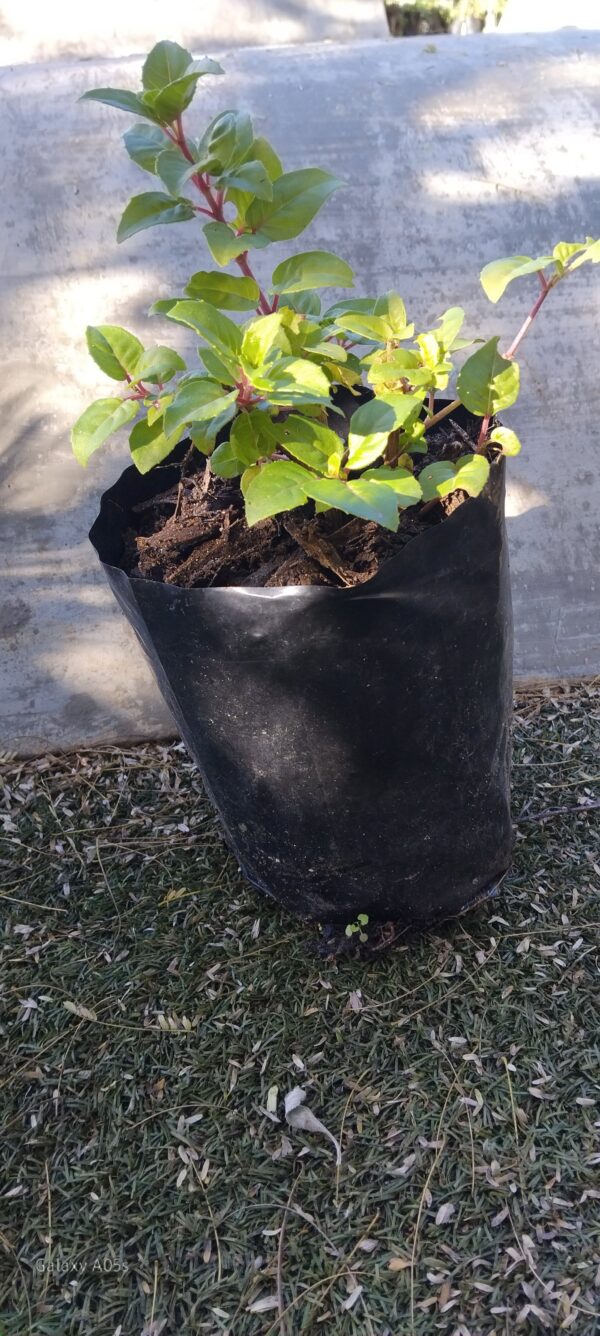
Fuchsia (Lady’s Eardrops / Dancing Queens)
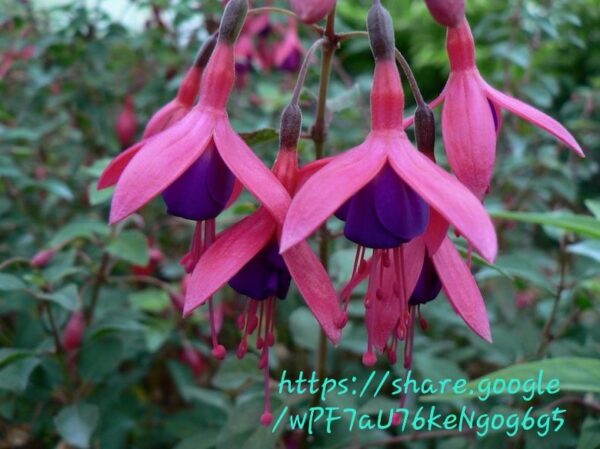
Transform the shaded, cooler corners of your garden and patio into a vibrant, fairy-tale display with the breathtaking Fuchsia. Renowned around the world for their spectacular, pendulous flowers that look like elegant, two-toned dancing ballerinas, these shade-loving classics bring unmatched jewel-toned color to areas where sun-loving plants struggle.
Fuchsias are incredibly versatile, available in both upright bushy forms (perfect for premium patio pots and shaded garden borders) and trailing forms (the ultimate showstoppers for hanging baskets). From late spring straight through to the first autumn frost, they produce an absolute abundance of bell-shaped, intricate blooms in mesmerising combinations of vivid magenta, deep royal purple, soft baby pink, and crisp white. If you want to attract nectar-loving birds, butterflies, and awe-struck neighbors to your shaded oasis, this is the plant for the job.
☀️ Quick-Look Specifications
* Plant Type: Tender Perennial Shrub (often grown as a summer-flowering annual in heavy frost zones)
* Growth Habit: Available in both Upright/Bush and Trailing/Cascading varieties
* Mature Size: Highly variable by variety (generally 30cm to 90cm High/Trailing)
* Bloom Season: Non-stop from Late Spring to Autumn
* Flower Color: Striking bicolors of pink, purple, red, magenta, and white
* Hardiness: Heat and frost sensitive. Thrives in mild, cool-summer climates. Must be protected from severe freezing winter temperatures and scorching summer heatwaves.
💧 Detailed Growing Conditions
Light: Partial Shade to Filtered Light
* The Golden Rule: Fuchsias despise harsh, baking midday and afternoon sun. They perform their absolute best in dappled shade or bright morning sun followed by complete afternoon shade
* If placed in deep, heavy gloom, they will grow leggy and stop flowering. If placed in full, hot sun, the delicate leaves and flowers will scorch, wilt, and drop within days.
Water: High & Consistent (Loves Moisture)
* Fuchsias are thirsty plants that require a consistently moist root zone to keep pumping out those massive flowers.
* Water them regularly, ensuring the soil never dries out completely. On exceptionally hot summer days, hanging baskets may require watering twice a day.
* Crucial Balance: While they love a good drink, the roots need to breathe. Never leave their pots sitting in stagnant saucers of water, which will quickly lead to root rot.
Soil: Rich, Loamy & Superbly Drained
* Thrives in deeply enriched, high-quality soil packed with organic matter like compost or peat moss.
* If planting in patio containers or hanging baskets (which is highly recommended), always use a premium, moisture-retentive potting soil amended with a little perlite to guarantee sharp drainage. They prefer a slightly acidic to neutral pH.
Maintenance & Care: Pinching & Deadheading
* Pinching: To create a lush, dense, heavily benched plant, pinch out the soft growing tips of young plants in early spring. This forces the plant to branch out, doubling your eventual flower count!
* Deadheading: To keep the plant looking immaculate and blooming aggressively all summer, pick off the spent flowers (including the little green seed pod at the base of the flower) as soon as they fade.
* Feeding: Because they are incredibly heavy bloomers, feed them with a balanced liquid flower fertilizer every two weeks during the peak summer growing season.
🏡 Top Landscape & Retail Uses
* The Ultimate Hanging Basket Plant: Trailing Fuchsia varieties are the undisputed royalty of the hanging basket world, creating a cascading waterfall of color for shaded porches, pergolas, and roof overhangs.
* Premium Shaded Patio Pots: Upright varieties make magnificent, high-end “thriller” plants when potted into decorative ceramic or terracotta containers in shaded courtyards.
* Woodland & Shaded Borders: Perfect for nestling under the canopies of large trees or planting along the shady, damp sides of a house.
* Pollinator Sanctuaries: The tubular, nectar-rich flowers are absolute magnets for hummingbirds (in the Americas), sunbirds (in Africa), and local bees.

Reviews
There are no reviews yet.