
Description
Buddleja salviifolia (Sagewood / Witolienhout)
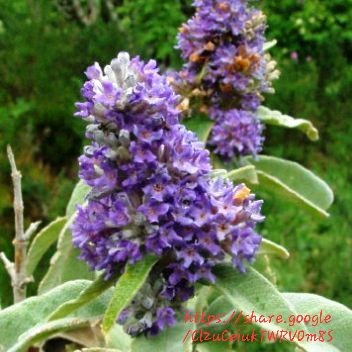
Experience one of the most intoxicating fragrances nature has to offer with *Buddleja salviifolia* (Sagewood). Indigenous to the rocky ridges, forest margins, and mountain slopes of South Africa, this exceptionally hardy, fast-growing evergreen large shrub or small tree is a powerhouse addition to any low-maintenance or wildlife-focused garden.
The standout feature of Sagewood is its long, cascading cones of small, tubular flowers that emerge from late winter through spring. Ranging in color from crisp white and cream to deep lilac and purple, the blooms emit an incredibly sweet, honey-like perfume that can be detected from meters away. Backed by striking, lance-shaped, drooping leaves that are dark green on top and covered in a soft, rusty-silver wool underneath, this plant provides magnificent texture, movement, and structural presence to the landscape.
☀️ Quick-Look Specifications
* Plant Type: Indigenous Evergreen Large Shrub / Small Tree
* Growth Habit: Multi-stemmed, weeping, and vigorously arching
* Mature Size: 3m to 5m High × 3m Wide (can be pruned smaller)
* Bloom Season: Late Winter to Spring (August to October)
* Flower Color: Creamy-white, soft lilac, or rich purple with orange throats
* Hardiness:* Extreme.*Exceptionally frost, drought, and wind hardy once established
💧 Detailed Growing Conditions
Light: Full Sun to Light Dappled Shade
* Performs best and produces the highest density of honey-scented flowers in Full Sun (at least 6 hours of direct light daily).
* It will tolerate light dappled shade, but too much shade will result in a looser, more sparse growth habit and fewer flower spikes.
Water: Low to Moderate (Waterwise Once Established)
* Highly water-efficient. While it enjoys regular watering during its first summer to establish a deep root system, it becomes remarkably drought-tolerant once established.
* It effortlessly handles dry winters and periods of summer drought, making it an excellent anchor plant for waterwise landscapes.
Soil: Highly Adaptable & Resilient
* Adapts beautifully to almost any soil type, including poor, rocky, sandy, or nutrient-deficient soils.
* It thrives in rich, well-drained loam but is highly tolerant of heavy clay, provided the site does not remain permanently waterlogged.
Maintenance & Pruning: Low to Moderate
* Pruning: Because it is a highly vigorous grower, it can become a bit untidy or “scruffy” over time. The secret to a magnificent Sagewood is to prune it back hard right after it finishes flowering in spring. This encourages a flush of neat, lush new foliage and guarantees a spectacular flower display the following year.
* Training: Can be left to grow naturally as a thick, multi-stemmed screen, or easily trained into a beautiful, weeping single-stemmed small tree by pruning away lower branches.
🏡 Top Landscape & Retail Uses
* The Ultimate Wildlife & Pollinator Magnet: Often called the “Butterfly Bush,” it is an absolute essential for habitat gardening. It attracts clouds of butterflies, bees, and insect-eating birds to the garden.
* Fast-Growing Windbreaks & Privacy Screens: Its dense, quick-growing nature makes it a perfect, hardy boundary hedge to block cold winds, dust, and prying eyes.
* Erosion Control & Pioneer Plant: With its robust, aggressive root system, it is ideal for stabilizing loose soil on sunny slopes, riverbanks, or steep embankments.
* Difficult Climes: An excellent choice for cold, frost-heavy inland gardens where other evergreen shrubs perish in winter.

Reviews
There are no reviews yet.