




🌻 Jerusalem Artichoke (Helianthus tuberosus)
A hardy, tuber-producing sunflower relative prized for its edible roots.
🌿 Description
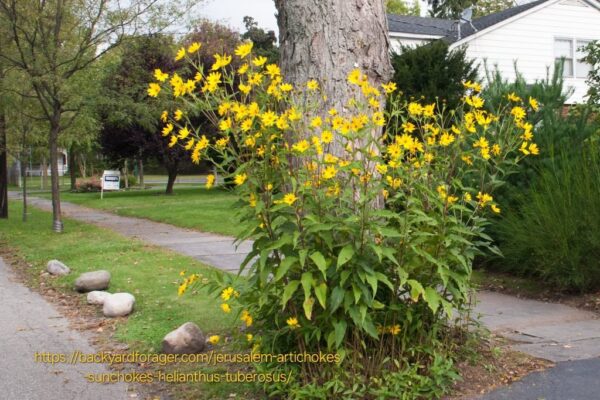
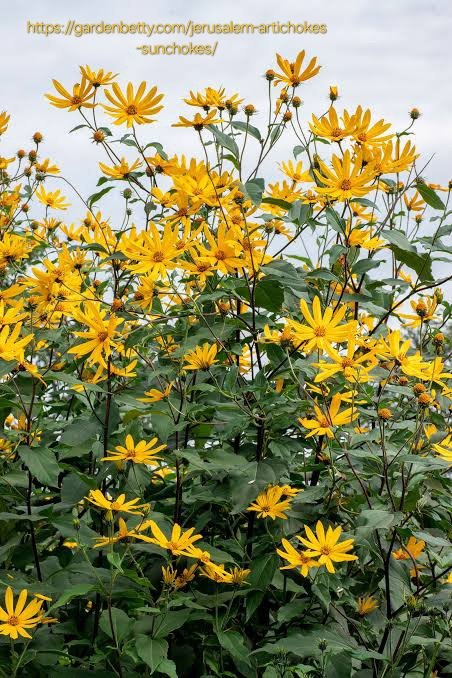
Jerusalem artichoke is a tall, sunflower-like perennial that produces knobbly, edible tubers beneath the soil. These nutty, slightly sweet tubers are excellent roasted, sautéed, or eaten raw. Above ground, the plant bears cheerful yellow flowers and can reach up to 2–3 m in height, making it both ornamental and useful.
🌞 Growing Conditions
🌍 Indigenous Region: Native to North America.
☀️ Light: Full sun — needs at least 6 hours of direct sunlight daily.
🌡️ Climate: Grows well in temperate climates and tolerates light frost; performs best in regions with warm summers and cool autumns (great for most parts of South Africa).
🌱 Soil: Loose, well-draining soil enriched with organic matter. Avoid heavy clay as it makes harvesting difficult.
💧 Water: Moderate water needs — keep soil evenly moist during growth, but not soggy. Drought tolerant once established.
🌬️ Position: Plant in a spot with some wind protection; tall stems can be top-heavy.
🌸 Flowering: Late summer to autumn.
🧄 Planting & Care
Planting Time: Early to mid-spring after the last frost, or in autumn in mild climates.
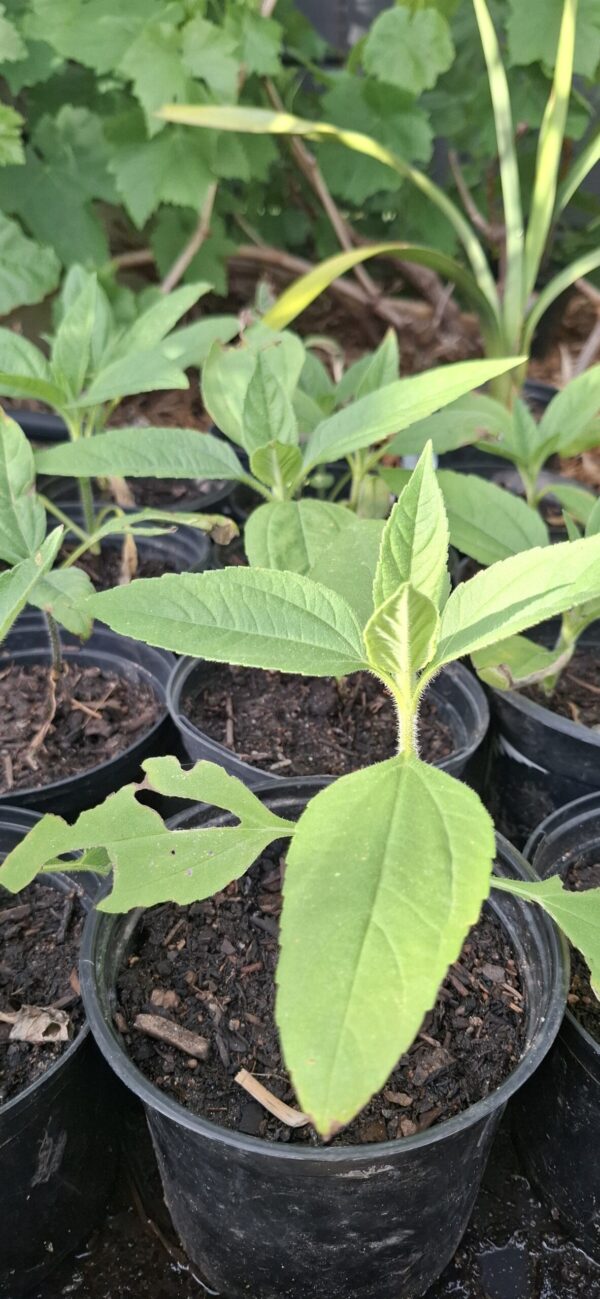
Propagation: From tubers (similar to potatoes) — plant 10–15 cm deep and 30–45 cm apart.
Mulching: Helps retain moisture and suppress weeds.
Feeding: Apply a balanced organic fertiliser or compost at planting; avoid excessive nitrogen to prevent spindly growth.
Maintenance: Minimal — cut back old stems after frost or harvest.
🥔 Harvesting
When: 4–6 months after planting, once the foliage dies back (usually late autumn to winter).
How: Gently dig up the tubers with a fork to avoid damaging them.
Yield: High — each plant can produce several kilograms of tubers.
Storage: Best left in the ground until needed; once harvested, store in a cool, dark place or refrigerate for up to 2 weeks.
Tip: Harvest after a light frost for the sweetest flavour.
💡 Extra Tips
Jerusalem artichokes can spread vigorously — consider containing them in a bed or large container.
They make excellent windbreaks or privacy screens in the garden.
Great for sustainable gardens — the tubers re-sprout yearly without replanting.



Reviews
There are no reviews yet.